

How to Choose a Pest Control Professional in Houston
Houston's humid subtropical climate creates ideal conditions for pests year-round. When selecting an exterminator in Harris County, prioritize state licensing through the Texas Department of Agriculture. All pesticide applicators must hold a valid commercial or noncommercial license.
Look for companies with specific experience addressing Houston's most persistent invaders: Formosan termites, American cockroaches, fire ants, and roof rats. Local knowledge matters significantly—technicians familiar with flood-prone neighborhoods like Meyerland or the Heights understand how seasonal hurricanes and bayou overflows drive pest migration indoors.
Request proof of insurance and bonding. Reputable providers carry general liability coverage of at least $1 million. Ask about integrated pest management (IPM) approaches, which emphasize prevention and targeted treatments over indiscriminate chemical application. This proves especially important near Buffalo Bayou parks and the Houston Arboretum, where environmental sensitivity is paramount.
Verify membership in professional organizations such as the Texas Pest Control Association or National Pest Management Association. These affiliations indicate ongoing education and adherence to industry standards. Finally, read reviews focusing on response times during peak seasons—spring swarm season and late summer mosquito surges test every company's capacity.
What to Expect from Pest Control Services in Houston
Your first service typically begins with a comprehensive property inspection. Technicians examine foundation perimeters, attic spaces, crawl areas, and moisture-prone zones like bathrooms and kitchens. In Houston's older neighborhoods—Montrose, Eastwood, or Timbergrove—special attention goes to pier-and-beam foundations where termites and rodents commonly enter.
The inspection identifies active infestations, conducive conditions, and potential entry points. You'll receive a detailed report with findings and recommended treatment protocols. For termites, this may include liquid barrier treatments or baiting systems. General pest control usually involves initial interior and exterior applications with follow-up schedules tailored to your property's needs.
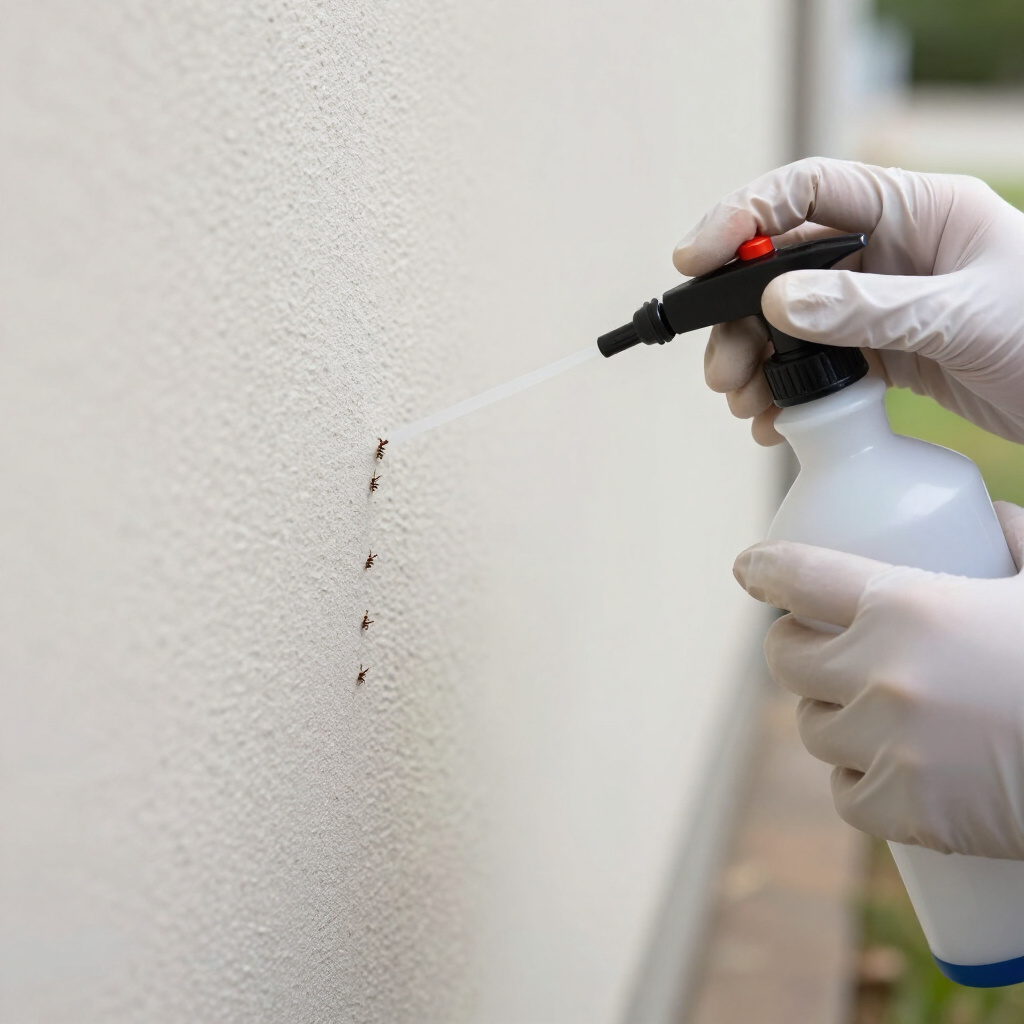
Most Houston homes benefit from quarterly maintenance services due to the extended warm season. Treatments typically target exterior perimeters to create protective barriers, reducing interior chemical exposure. During summer months, mosquito reduction treatments may supplement standard protocols, particularly for properties near standing water or the city's bayou system.
Expect clear communication about preparation requirements, safety precautions for pets and children, and re-entry timelines. Quality providers offer service guarantees with free callbacks between scheduled visits if pest activity resumes.
Available Pest Control Services
Houston pest control companies offer comprehensive solutions addressing the region's diverse pest pressures. Termite control represents a critical service given the area's classification as high-risk for subterranean and Formosan species. Options include conventional soil treatments, baiting systems like Sentricon or Trelona, and wood-preservation applications for new construction.
General pest management covers cockroaches, ants, spiders, silverfish, and occasional invaders such as millipedes and earwigs. Rodent control programs combine trapping, exclusion work, and population management around property perimeters. Given Harris County's mosquito-borne disease concerns—including West Nile and Zika risks—many providers offer seasonal mosquito suppression through larval source reduction and adulticide applications.
Specialized services include bed bug elimination using heat treatment or chemical protocols, wildlife removal for raccoons, opossums, and squirrels, and bird control for commercial properties. Commercial clients in the Energy Corridor, Downtown, or the Medical Center can request customized IPM programs meeting strict regulatory requirements for healthcare and food-service environments.
Emergency services address urgent situations like bee swarms, wasp nest removal, or sudden rodent infestations. Many companies also provide pre-construction termite pretreatments and real estate inspection reports required for property transactions across Harris County.
Frequently Asked Questions
How often should Houston homes receive pest control treatments?
Quarterly service provides optimal protection for most Houston properties. The region's mild winters allow pest activity year-round, making bi-monthly treatments preferable for homes with historical infestations or those near wooded areas, bayous, or extensive green spaces.
Are pest control treatments safe for families with young children?
Modern IPM-focused treatments prioritize low-toxicity products and strategic application methods. Reputable providers use EPA-registered materials applied according to label specifications, with clear instructions regarding re-entry intervals. Discuss specific concerns about infants, pregnant household members, or respiratory sensitivities during your consultation.
Why do I see more pests after treatment?
Temporary increased visibility indicates effective treatment. Disturbed pests exit harborages seeking safety and often die in open areas within 24-72 hours. This flushing effect proves particularly common with cockroach and ant treatments. Persistent activity beyond one week warrants a callback service.
Do I need termite protection if my home has no current damage?
Absolutely. Houston sits within TDA's high-risk zone for termite activity. Infestations often progress undetected for years, causing substantial structural damage before visible signs appear. Preventative protection costs substantially less than remediation and repairs, particularly for homes with slab foundations common throughout Harris County.