
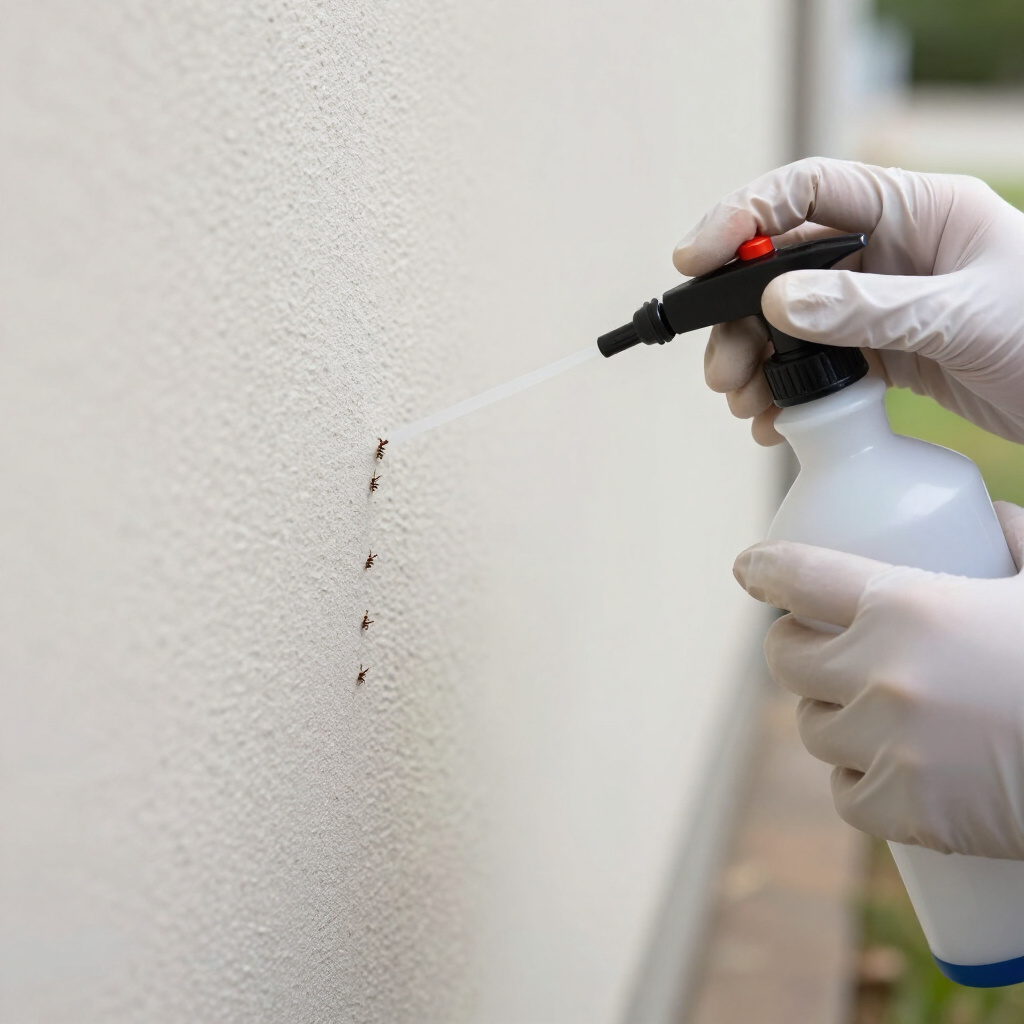

Pests don't take vacations—and neither should your home protection plan. As the seasons shift, so do the habits of rodents, insects, and other unwanted visitors looking for food, shelter, and breeding grounds. A reactive approach to pest control often means dealing with full-blown infestations that are harder and more expensive to eliminate. Instead, savvy homeowners use a seasonal pest control checklist to stay ahead of the curve, addressing vulnerabilities before they become entry points and catching early warning signs before populations explode. Here's your year-round guide to keeping your home pest-free, no matter what the weather brings.
Seasonal Pest Control Checklist: Your Year-Round Foundation
The most effective pest management strategy treats your home as a dynamic environment that changes with the calendar. What works in January won't cut it in July, and spring preparations look very different from autumn defenses. By building your maintenance routine around a seasonal pest control checklist, you create consistent protection that adapts to nature's rhythms rather than fighting against them.
Start with the fundamentals that apply across all seasons: seal cracks and gaps around your home's exterior, maintain proper drainage, store food in airtight containers, and eliminate standing water. These baseline habits dramatically reduce your home's attractiveness to pests year-round. From there, layer in season-specific tactics that address the unique threats each period brings.
Spring: Awakening and Entry Prevention
As temperatures rise, dormant pests emerge hungry and reproductive cycles kick into high gear. Ants begin their notorious marching patterns, termites swarm to establish new colonies, and overwintering stink bugs and lady beetles start moving toward exits—sometimes through your living spaces.
Your spring checklist should focus on exclusion and early intervention. Inspect window screens for tears and repair them promptly. Check weatherstripping around doors and replace anything brittle or gap-ridden. Trim vegetation back at least six inches from your home's foundation to eliminate pest highways. Clean gutters thoroughly—debris buildup creates moisture problems that attract everything from mosquitoes to carpenter ants.
This is also prime time for a professional termite inspection, especially if your home has a history of activity or sits in a high-risk region. Catching a new colony in its first season prevents the structural damage that makes headlines.
Summer: Peak Activity and Moisture Management
Summer represents peak pest pressure in most regions. Mosquitoes breed rapidly in warm, wet conditions. Flies multiply around garbage and pet waste. Wasps construct nests under eaves and in sheltered corners. Outdoor entertaining brings its own challenges as food and drink attract scavenging insects.
Your summer priorities center on moisture control and outdoor sanitation. Empty birdbaths, plant saucers, and children's toys that collect rainwater at least twice weekly—mosquitoes need only a bottlecap's worth of standing water to breed. Keep garbage cans tightly lidded and positioned away from main gathering areas. Consider yellow-toned outdoor lighting near entry points, as it's less attractive to flying insects than standard white bulbs.
For stinging insects, inspect your property monthly for nascent nests. A golf-ball-sized wasp nest is a simple DIY removal; a football-sized colony requires professional intervention with specialized equipment and protective gear.
Fall: The Great Migration Indoors
As daylight shortens and nighttime temperatures drop, pests sense winter coming. Rodents, box elder bugs, cluster flies, and countless others begin seeking reliable shelter—and your heated home looks increasingly inviting. This season demands your most vigilant exclusion efforts.
Walk your home's perimeter with attention to detail you might skip other times of year. Seal gaps around utility penetrations with steel wool and caulk—rodents can squeeze through openings the diameter of a pencil. Install door sweeps on garage and basement doors where they're often missing. Cover attic vents with quarter-inch hardware cloth to block entry while maintaining ventilation. Inspect your roofline for damaged fascia, soffits, or vent covers that flying insects and determined rodents exploit.
Inside, declutter storage areas where pests could nest undisturbed. Move firewood at least twenty feet from your home's exterior—it's a favorite harborage for spiders, ants, and rodents that will happily relocate indoors next.
Winter: Hidden Threats and Maintenance Mode
Cold weather doesn't eliminate pest problems; it transforms them. Activity moves indoors and underground, where colonies sustain themselves in wall voids, crawl spaces, and burrows. Mice become the predominant concern, but cockroaches and silverfish thrive in heated basements and kitchens year-round if conditions allow.
Winter is your opportunity for deep maintenance without the pressure of active swarms. Inspect and refresh bait stations if you use them. Check attic insulation for tunneling or nesting disturbances. Listen for scratching in walls, especially at dawn and dusk when mice are most active. Address plumbing leaks promptly—reduced outdoor moisture sources mean your home's water becomes more attractive.
This quieter season also allows time to research and schedule major preventive work: foundation repairs, crawl space encapsulation, or comprehensive exterior sealing that demands dry conditions and contractor availability.
Key Tips for Checklist Success
Consistency outperforms intensity every time. A seasonal pest control checklist only protects your home if you actually complete it. Calendar your inspections with seasonal reminders—link them to events you'll remember, like daylight saving time changes or holiday weekends. Document what you find with phone photos; comparing year-over-year helps spot developing patterns like recurring ant trails or worsening moisture issues.
Know your limits. DIY exclusion and sanitation handle most prevention needs, but active infestations often require professional expertise. The cost of misidentifying a pest species or applying the wrong treatment compounds quickly. Reputable pest control professionals bring identification skills, specialized tools, and treatment options unavailable to homeowners—use them strategically rather than as a last resort.
Finally, coordinate with neighbors when possible. Pests don't respect property lines, and collective efforts in townhome communities or dense neighborhoods multiply everyone's protection. Shared green spaces, alley dumpsters, and adjoining wall structures create interdependent risk that benefits from communication.
Final Thoughts
A home protected by a thoughtful seasonal pest control checklist operates on prevention rather than crisis response. Each season's specific tasks build on the foundation of year-round vigilance: sealing, cleaning, and monitoring. The investment of a few hours quarterly pays dividends in avoided damage, preserved property value, and the simple peace of mind that comes from knowing your home isn't hosting unwanted guests. Start where you are in the calendar, complete that season's priorities, then maintain the rhythm forward. Pest control isn't about perfection—it's about persistence, and homeowners who persist stay ahead.