
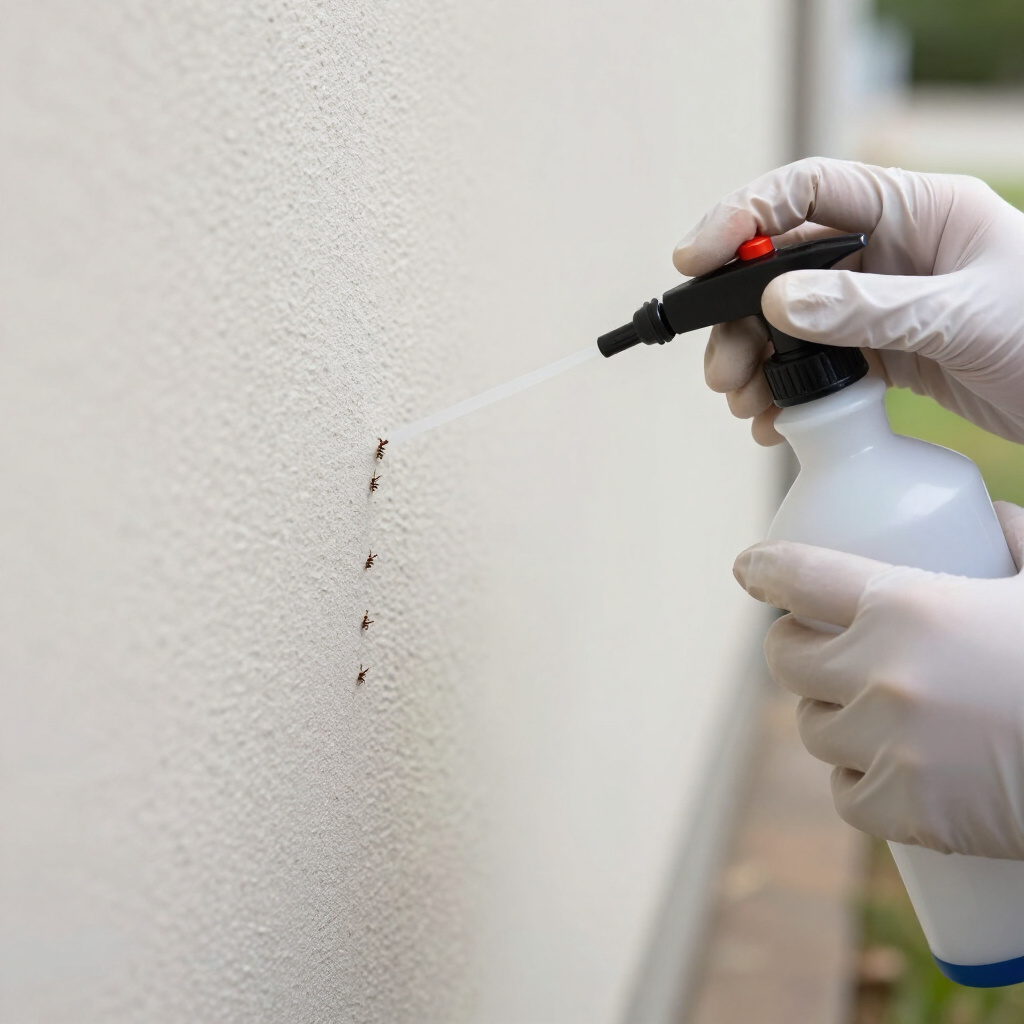

When ants march across your kitchen counter or aphids cluster on your tomato plants, reaching for harsh chemicals isn't your only option. Natural pest control methods have come a long way from old wives' tales—many are backed by real science and proven results. Whether you're protecting your garden, your home, or your family's health, these effective natural pest control methods can help you manage unwanted visitors without relying on synthetic pesticides.
Natural Pest Control Methods for Your Garden
Your garden is an ecosystem, and the smartest approach works with nature rather than against it. These strategies tackle common pests while keeping beneficial insects thriving. Beneficial insects as allies. Ladybugs, lacewings, and parasitic wasps are nature's pest management team. A single ladybug can consume up to 5,000 aphids in its lifetime. Attract these helpers by planting dill, fennel, yarrow, and cosmos nearby. Avoid broad-spectrum sprays that kill indiscriminately—they'll eliminate the good bugs along with the bad. Neem oil for chewing and sucking pests. Derived from the neem tree, this botanical oil disrupts insect feeding and reproduction. It works against aphids, whiteflies, spider mites, and caterpillars. Apply in early morning or evening to avoid harming pollinators, and reapply after rain. Neem degrades quickly in sunlight, so it won't persist in your soil. Diatomaceous earth for crawling insects. This powdery substance consists of fossilized aquatic organisms with microscopic sharp edges. When soft-bodied pests like slugs, earwigs, and flea beetles crawl across it, the abrasive particles damage their protective coatings, causing dehydration. Use food-grade diatomaceous earth and reapply after watering or rain—it only works when dry. Companion planting for prevention. Strategic plant placement confuses pests and masks the scents they use to locate host plants. Marigolds repel nematodes and some flying insects. Nasturtiums act as trap crops, luring aphids away from vegetables. Basil planted near tomatoes may deter hornworms and flies. This method requires planning but delivers lasting protection.
Natural Pest Control Methods for Your Home
Indoor pests require different tactics—safety around food, pets, and children becomes paramount. These approaches target common household invaders effectively. Boric acid and bait stations for ants and cockroaches. Boric acid, a naturally occurring compound, proves lethal to insects that ingest it yet poses minimal risk to humans and pets when used correctly. Mix a small amount with powdered sugar and place in cracks and crevices where ants travel. For cockroaches, commercial bait stations using boric acid provide controlled application. The key is patience—colony elimination takes several days as workers carry the bait back to nests. Essential oil barriers. Peppermint, tea tree, and eucalyptus oils repel spiders, ants, and some rodents. Mix 10-15 drops per cup of water in a spray bottle and apply to entry points, baseboards, and window sills. Reapply weekly or when scent fades. While pleasant for humans, these strong aromas disrupt pest scent trails and create unwelcome territory. Note that essential oils can be toxic to cats—use cautiously or choose alternatives in feline households. Physical exclusion and traps. Sometimes the most natural approach is prevention. Seal cracks around pipes, windows, and foundations with caulk or steel wool. Install door sweeps and repair torn screens. For existing intruders, pheromone traps catch pantry moths without chemicals, while sticky traps monitor and reduce crawling insect populations in targeted areas. Food-grade diatomaceous earth for indoor crawling pests. The same desiccating action that works in gardens applies indoors. Dust lightly behind appliances, along baseboards, and in wall voids where silverfish, cockroaches, or carpet beetles travel. Vacuum excess after a few days and reapply as needed. Keep applications light—a thick layer actually repels insects rather than inviting them to crawl through it.
Key Tips for Success with Natural Methods
Natural pest control demands more precision than simply spraying chemicals and walking away. These practices maximize your results. Identify before you treat. Misidentification leads to ineffective control. A solution for fruit flies won't solve a fungus gnat problem. Capture specimens or photograph them for accurate identification, then research specific vulnerabilities. Timing matters enormously. Apply treatments when pests are most active or vulnerable. Morning applications catch pests before midday heat drives them to shelter. Targeting young insects before reproduction prevents population explosions. Combine methods strategically. Natural pest control methods work best as integrated systems. Pair exclusion with repellents, or combine biological controls with physical barriers. This multi-layered approach compensates for any single method's limitations. Monitor and adapt. Natural methods often work more gradually than chemical alternatives. Inspect regularly, document what's working, and adjust your approach. Persistence pays off—colonies collapse, breeding cycles interrupt, and populations decline with consistent application. Accept reasonable thresholds. A few aphids on a healthy plant rarely cause meaningful damage. Some pest presence supports beneficial insect populations. Natural pest control isn't about sterile elimination; it's about maintaining balance where damage stays below economic or aesthetic thresholds.
Final Thoughts
Natural pest control methods offer genuine effectiveness when applied with knowledge and consistency. They protect pollinators, preserve soil health, reduce chemical exposure in your living spaces, and often cost less than conventional alternatives over time. Success requires understanding pest biology, choosing appropriate methods, and exercising patience as ecological solutions unfold. Start with prevention, build your toolkit of proven natural strategies, and remember that working with nature's systems typically outperforms fighting against them. Your garden, home, and local environment will thank you for the investment.