

Nothing disrupts the comfort of home quite like discovering unwanted critters have moved in. Whether it's the scuttle of tiny feet in the pantry or mysterious bites appearing overnight, household pests can turn your sanctuary into a source of stress. The good news? Most infestations are entirely preventable with the right knowledge and consistent habits. Let's walk through the most common household pests you'll encounter and the practical steps you can take to keep them outside where they belong.
Most Common Household Pests and How to Prevent Them
Understanding your adversary is the first step in effective pest management. Here's what you're up against and how each pest operates.
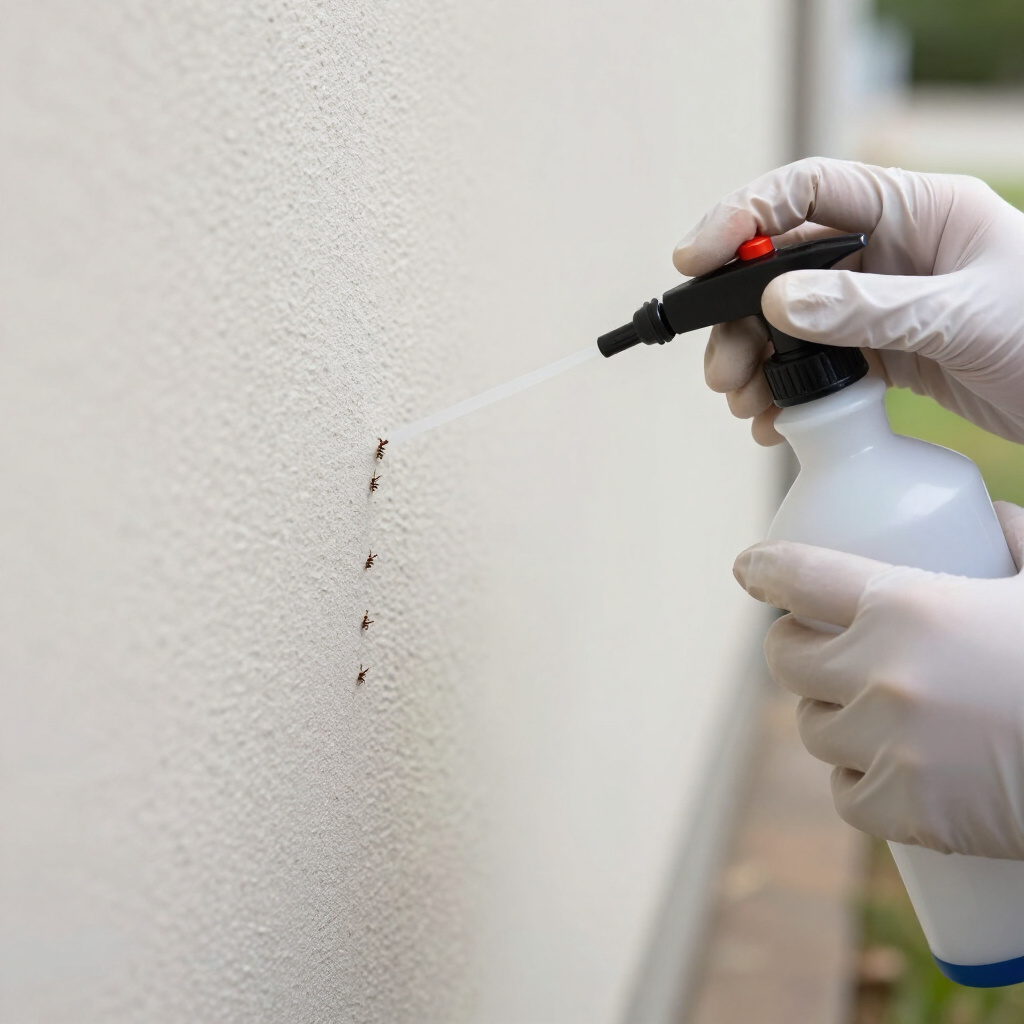
Ants are arguably the most frequent invaders, drawn indoors by food sources and moisture. They leave invisible scent trails that recruit hundreds of follower's right to your countertop crumbs. Cockroaches thrive in warm, humid environments and can squeeze through cracks as thin as a dime. They're nocturnal, so seeing one during the day often signals a larger hidden population. Rodents—mice and rats—seek shelter, nesting materials, and food, causing structural damage and contamination along the way. Termites work silently, consuming wood from the inside out and threatening your home's integrity. Spiders follow their prey indoors, while bed bugs hitchhike on luggage and clothing, establishing themselves in mattresses and furniture. Flies and mosquitoes breed in standing water and organic debris, and silverfish damage books, wallpaper, and fabrics in damp, dark areas.
Prevention Strategies That Actually Work
Effective pest prevention rests on three pillars: exclusion, sanitation, and moisture control. Master these, and you'll eliminate the conditions that attract most common household pests in the first place.
Seal entry points meticulously. Walk your home's exterior with a critical eye. Fill gaps around pipes, utility lines, and foundations with steel wool and caulk—rodents can't chew through steel wool. Install door sweeps, repair torn screens, and ensure vents are covered with fine mesh. Remember: a mouse needs only a quarter-inch opening.
Eliminate food sources completely. Store dry goods in airtight glass, metal, or thick plastic containers—cardboard offers no resistance. Clean spills immediately, sweep floors daily, and take garbage out regularly using bins with tight-fitting lids. Don't overlook pet food; it's equally attractive to pests.
Control moisture aggressively. Fix leaky faucets, unclog gutters, and ensure proper drainage around your foundation. Use dehumidifiers in basements and crawl spaces, and ventilate bathrooms and kitchens during use. Many pests require humidity levels above 50% to thrive.
Manage your landscape strategically. Trim tree branches and shrubs away from your home's exterior—think of them as bridges for pests. Keep firewood stacked at least 20 feet from the house, and maintain a mulch-free zone directly against your foundation.
Key Tips for Specific Pest Situations
Sometimes general prevention needs reinforcement with targeted approaches.
For ants, clean their trails with vinegar or soapy water to disrupt pheromone communication. For bed bugs, encase mattresses and inspect hotel rooms before settling in—luggage on racks, never on beds. Against termites, schedule professional inspections annually; early detection saves thousands in structural repairs. For mosquitoes, empty any container holding stagnant water weekly, from birdbaths to clogged gutters to that forgotten toy in the yard.
When DIY efforts fail or you're facing wood-destroying organisms, professional intervention becomes necessary. Licensed pest control technicians can identify species accurately, locate hidden nests, and apply treatments safely—particularly important with children and pets in the home.
Final Thoughts
Most common household pests and how to prevent them comes down to consistent maintenance and vigilance rather than dramatic measures. The homes that stay pest-free aren't necessarily newer or more expensive—they're simply cared for with these principles in mind. Start with one thorough walkthrough this weekend: seal what you can seal, clean what you've overlooked, and dry what shouldn't be damp. Your future self, relaxing in a genuinely pest-free living room, will thank you.