
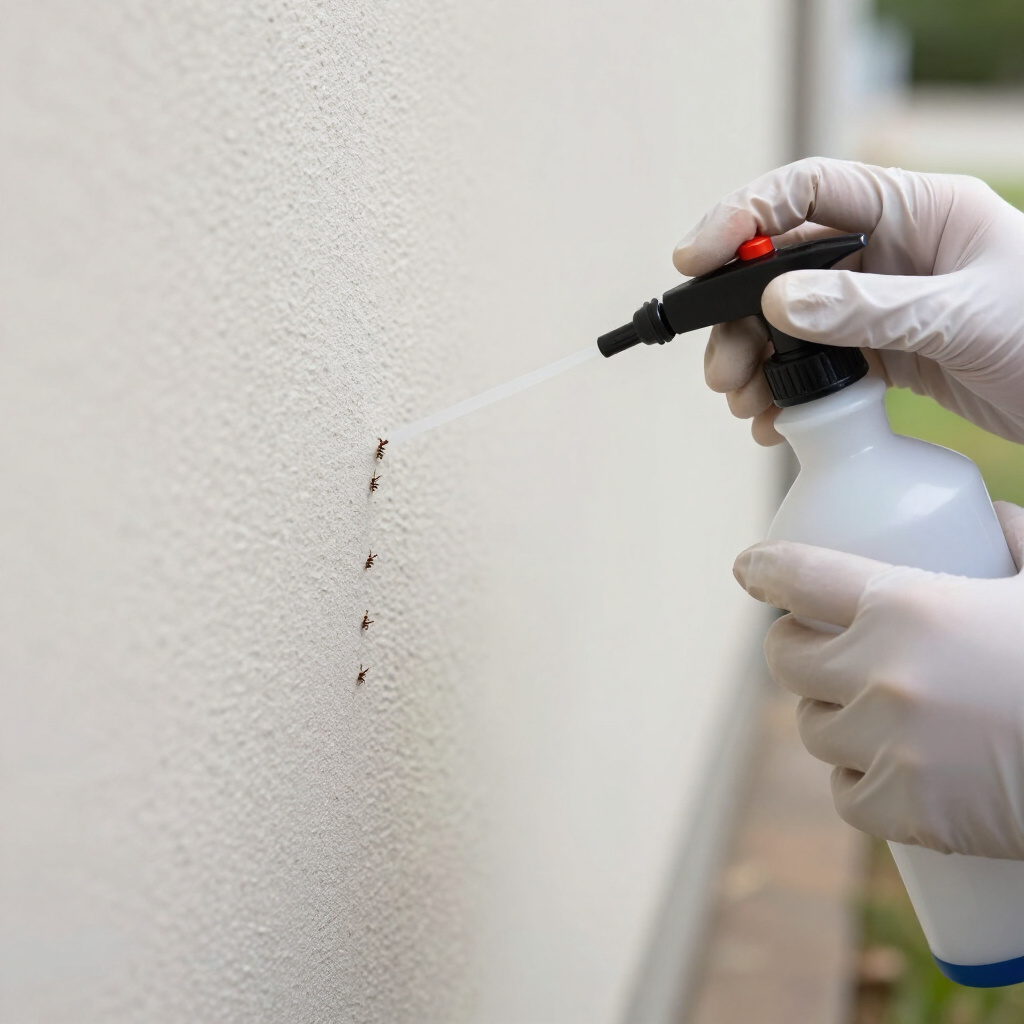

There's nothing quite like the sinking feeling of spotting a single ant on your kitchen counter, then another, and another—until you realize you've got a full-scale invasion on your hands. Ants are relentless, resourceful, and surprisingly persistent once they've found a reliable food source inside your home. The good news? You don't have to resign yourself to sharing your living space with these tiny trespassers. With the right combination of prevention strategies, you can make your home far less appealing to ants and stop problems before they start.
How to Prevent Ants From Invading Your Home by Eliminating Food Sources
Ants don't march into your home for the scenery—they're on a mission for food and water. Remove their motivation, and you'll dramatically reduce your chances of an infestation. Start in the kitchen, where even the smallest crumbs can summon an entire colony.
Store all pantry items, especially sweets, grains, and pet food, in airtight containers made of glass, metal, or thick plastic. Thin packaging won't stop determined ants, who can chew through cardboard and flimsy plastic bags. Wipe down counters, sweep floors, and clean under appliances daily. That forgotten chip under the refrigerator or sticky residue from last night's juice spill might as well be a neon welcome sign.
Don't overlook less obvious food sources. Ripe fruit in a bowl, open garbage cans, and even the residue in your recycling bin can attract foragers. Take garbage out regularly and use bins with tight-fitting lids. If you have pets, avoid leaving food out overnight—pick up bowls and clean the feeding area thoroughly. Outside, keep bird feeders away from your house and clean up fallen fruit from trees promptly.
Water matters just as much as food. Fix leaky faucets, repair dripping pipes, and address any condensation issues under sinks or around appliances. In dry weather, ants will travel surprising distances for moisture, so eliminating standing water and dampness removes another major draw.
Seal Entry Points and Disrupt Scent Trails
Ants are master navigators, following pheromone trails laid down by scout ants to create efficient highways straight to your pantry. Breaking these trails and blocking access points is essential for keeping them out.
Conduct a thorough inspection of your home's exterior, paying special attention to foundation cracks, gaps around windows and doors, utility penetrations, and spaces where siding meets trim. Even openings as small as 1/16 of an inch can admit tiny species like odorous house ants. Seal these entry points with silicone caulk, steel wool for larger gaps, or weatherstripping around doors and windows.
Inside, when you spot an ant trail, don't just wipe it away with water—use a solution of vinegar and water or a mild soapy cleaner. These substances disrupt the pheromone chemicals that ants use to communicate, effectively erasing their GPS system. Without the scent trail, returning foragers become lost and confused, and the colony must expend energy sending out new scouts.
Consider where landscaping touches your home. Overhanging tree branches, shrubs pressed against siding, and climbing vines all serve as natural bridges that bypass your ground-level defenses. Trim vegetation back at least 12-18 inches from your home's exterior to eliminate these convenient highways.
Key Tips for Long-Term Ant Prevention
Successful ant prevention extends beyond immediate fixes to ongoing habits and smart home maintenance. These additional strategies will help reinforce your defenses over time.
Manage your mulch and ground cover. Wood mulch, pine straw, and dense ground vegetation create ideal nesting environments near your foundation. Keep mulch layers thin—no more than two inches—and maintain a mulch-free zone of 6-12 inches immediately around your home's base. Consider switching to inorganic materials like rock or rubber mulch in this critical perimeter area.
Address outdoor nests proactively. Watch for ant mounds in your lawn, along walkways, and near foundation walls. Many ant problems begin outside and move inward. Treating nests near your home's perimeter can prevent the population pressure that drives ants to seek new food sources inside.
Use deterrents strategically. Natural substances like diatomaceous earth, cinnamon, peppermint oil, and citrus peels can discourage ants in specific areas. Sprinkle food-grade diatomaceous earth along foundation walls and known entry points—this powder damages the waxy coating on ants' bodies, causing dehydration. Reapply after rain, as moisture reduces effectiveness. Essential oils can be mixed with water and sprayed along baseboards and entry points, though these require frequent reapplication to remain effective.
Know when to call professionals. If you're seeing ants consistently despite your efforts, or if you identify carpenter ants—which can cause structural damage—it's time for expert intervention. Pest control professionals can identify the specific species, locate hidden nests, and apply targeted treatments that address the root of the problem rather than just the symptoms.
Final Thoughts
Preventing ants from invading your home comes down to making your space inhospitable while being proactive about potential weak points. No single tactic works alone—the most effective approach combines meticulous cleanliness, strategic sealing of entry points, thoughtful landscaping choices, and consistent maintenance habits. Ants are persistent, but so are you. By understanding what draws them in and systematically removing those attractions, you can enjoy an ant-free home without resorting to constant chemical warfare. Start with the basics today, build these practices into your routine, and you'll find that keeping ants outside where they belong becomes second nature.