
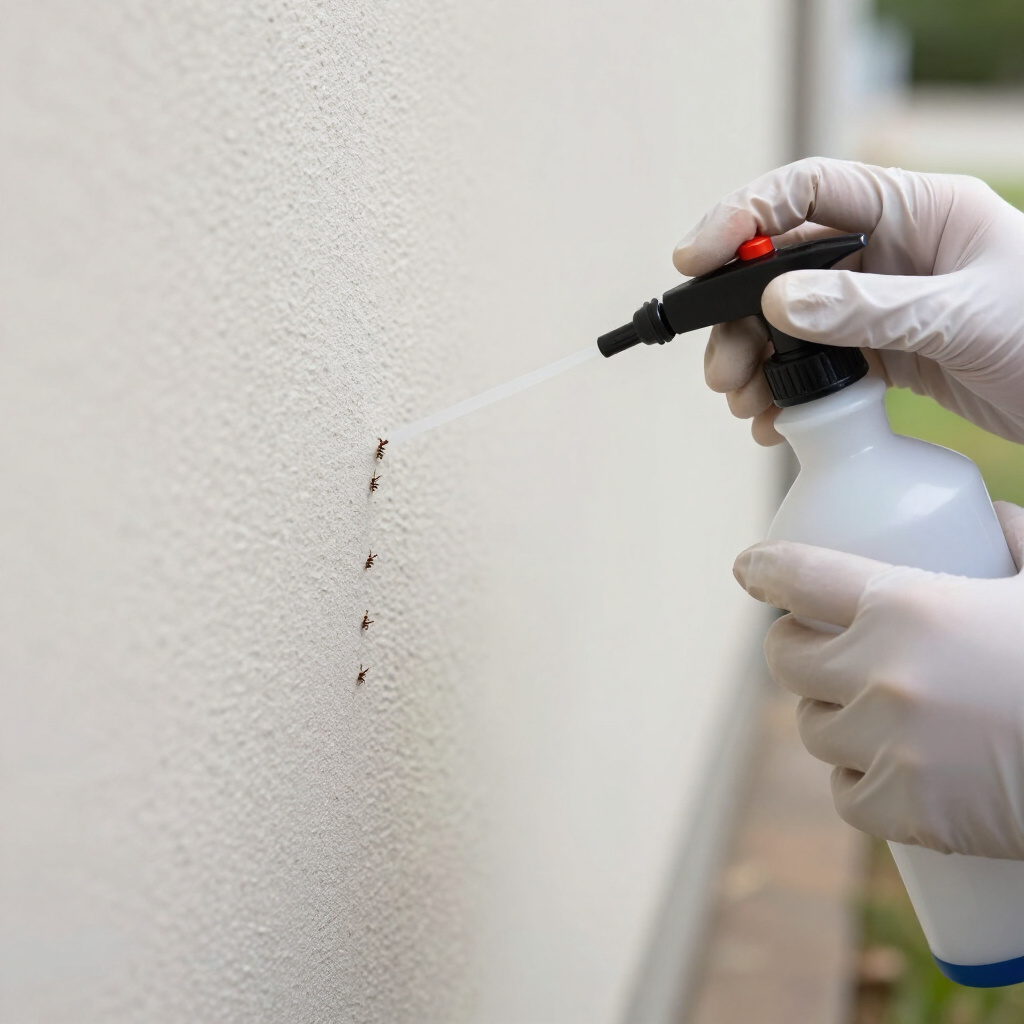

Finding a spider in your home can be an unsettling experience, whether you're genuinely arachnophobic or simply prefer your living spaces creature-free. While spiders play a valuable role in controlling other insect populations outdoors, most homeowners agree they belong outside, not in bedrooms, basements, or kitchens. The good news? Keeping spiders out of your house doesn't require harsh chemicals or constant vigilance. With the right combination of prevention strategies, home maintenance, and smart habits, you can create an environment that spiders simply don't find inviting.
How to Keep Spiders Out of Your House Through Exclusion and Sealing
The most effective long-term approach to spider control starts with understanding how they get inside in the first place. Spiders don't need much space to slip through—a gap the width of a pencil is plenty for many common species. Begin your defense with a thorough inspection of your home's exterior, paying special attention to areas where utilities enter, foundation cracks, gaps around windows and doors, and damaged screens.
Seal these entry points using appropriate materials: silicone caulk for small cracks and gaps, weatherstripping for doors and windows, and steel wool or expandable foam for larger openings. Don't overlook your roofline, vents, and chimney areas. Installing fine mesh screens over vents and chimney openings allows airflow while blocking spider access.
Door sweeps deserve special attention, as the gap beneath exterior doors is one of the most common entry routes. Choose high-quality sweeps that maintain contact with your threshold even as temperatures cause materials to expand and contract. Check and replace weatherstripping seasonally, as worn materials create easy pathways for determined arachnids.
Remove What Attracts Them: Food Sources and Harborage
Spiders enter homes for two primary reasons: shelter and food. Addressing both eliminates their motivation to stay. Spiders feed on other insects, so a spider problem often signals a broader pest issue. Keeping your home free of flies, moths, ants, and other insects naturally reduces spider populations by removing their food supply.
Focus on insect attractants first: store food in sealed containers, clean crumbs and spills promptly, manage fruit flies by refrigerating ripe produce, and address moisture issues that draw silverfish, springtails, and other moisture-loving pests. Fix leaky faucets, improve bathroom ventilation, and ensure your basement stays dry.
Harborage—places where spiders can hide and build webs—matters equally. Reduce clutter in garages, basements, attics, and storage areas. Spiders love cardboard boxes, stacks of newspapers, and undisturbed piles of clothing or linens. Replace cardboard storage containers with sealed plastic bins. Keep firewood stacked outside and away from your foundation, bringing in only what you'll burn immediately. Trim vegetation back from your home's exterior, maintaining at least a twelve-inch gap between plants and your foundation wall.
Key Tips for Maintaining a Spider-Free Home
Consistent habits make the difference between temporary relief and lasting control. Integrate these practices into your regular home maintenance routine:
Clean strategically and regularly. Vacuum thoroughly at least weekly, using attachments to reach corners, ceiling edges, behind furniture, and under appliances. This removes existing webs, egg sacs, and the insect debris that attracts spiders. Pay special attention to rarely disturbed areas like guest rooms, formal living spaces, and storage closets.
Manage outdoor lighting. Exterior lights draw flying insects, which in turn attract hungry spiders. Switch to yellow or amber LED bulbs, which are less attractive to insects. Position lights away from doorways when possible, or use motion sensors so they're not constantly illuminated.
Use natural deterrents thoughtfully. While no natural product provides complete protection, certain scents may help in specific areas. Peppermint oil, vinegar solutions, and citrus oils applied to entry points can provide mild repellent effects. However, these require frequent reapplication and work best as supplementary measures rather than primary solutions.
Control humidity indoors. Spiders and their prey both prefer humid environments. Run dehumidifiers in basements, ensure proper ventilation in bathrooms and kitchens, and use exhaust fans consistently. Aim for indoor humidity below fifty percent.
Inspect items before bringing them inside. Firewood, garden produce, potted plants, and outdoor decorations can all harbor stowaway spiders. Take a moment to check these items, especially during peak spider seasons in late summer and early fall when mature spiders are most active.
Knowing how to keep spiders out of your house also means knowing when professional help becomes necessary. If you're seeing multiple spiders daily, finding dangerous species like black widows or brown recluses, or noticing increasing web activity despite your efforts, underlying conditions may require expert assessment.
Final Thoughts
Spider prevention succeeds when you combine multiple approaches rather than relying on any single tactic. Exclusion eliminates entry routes, environmental management removes attractions, and consistent maintenance prevents populations from establishing. The effort you invest pays dividends in a more comfortable, confident living space.
Remember that complete spider elimination isn't realistic—or even desirable outdoors, where they control genuine pests like mosquitoes and agricultural insects. The goal is keeping them outside where they belong, maintaining appropriate boundaries between nature and your indoor sanctuary. With the strategies outlined here, you can achieve exactly that balance, enjoying a home that feels genuinely yours rather than shared with eight-legged uninvited guests.