
You're standing in your kitchen at midnight, and something scurries across the floor. Your heart races. Do you grab a spray bottle and handle it yourself, or do you pick up the phone and call in the pros? It's a dilemma nearly every homeowner faces at some point. Both paths have their place, but choosing the wrong one can cost you time, money, and sometimes your sanity. Let's break down what you need to know to make the smartest decision for your specific situation.
DIY Pest Control vs Hiring a Professional: Understanding Your Options
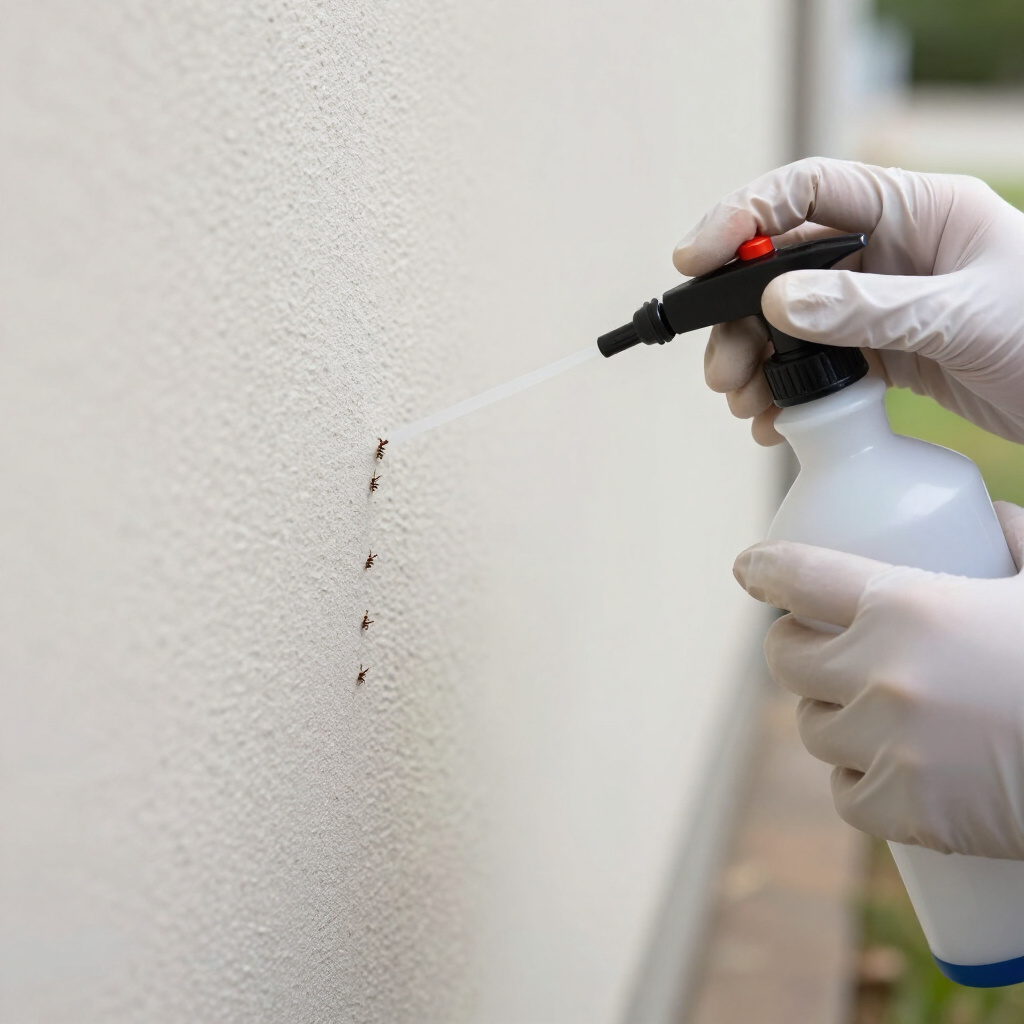
DIY pest control vs hiring a professional isn't a one-size-fits-all choice—it depends on the pest, the severity of the infestation, and your comfort level with chemicals and creatures. DIY methods have exploded in popularity thanks to hardware store shelves overflowing with sprays, traps, baits, and ultrasonic devices. For minor issues, these can be genuinely effective. A single ant trail, the occasional spider, or a wasp nest that's easily accessible might be perfect DIY territory.
The appeal is obvious: lower upfront cost, immediate action, and no need to schedule around someone else's calendar. Many homeowners feel a sense of accomplishment solving problems themselves. Modern over-the-counter products are also more sophisticated than ever, with targeted formulas for specific pests and lower toxicity options for families with children or pets.
However, DIY approaches have real limitations. Most store-bought solutions address symptoms, not causes. You might kill the ants you see while missing the colony hidden in your wall. Misapplication is common—too little and pests survive; too much and you create health risks or damage surfaces. Reading labels carefully matters, yet many people skip this step in their rush to solve the problem.
When Professional Expertise Makes the Difference
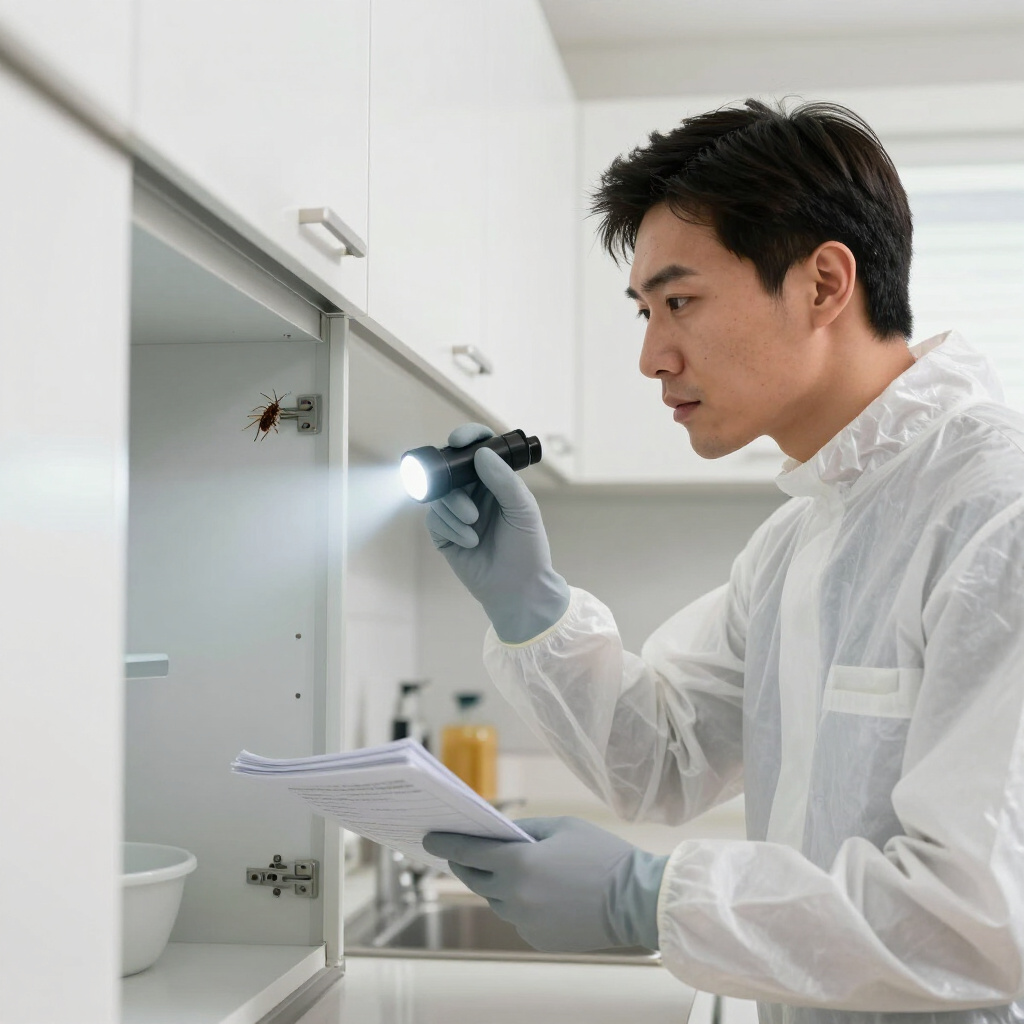
Professional pest control technicians bring training, experience, and access to commercial-grade products that aren't available to consumers. They understand pest biology and behavior—knowing where to look, what signs indicate nesting, and how different species respond to various treatments. This expertise translates to faster, more complete elimination.
Certain situations strongly favor calling a professional. Termites, for instance, can destroy your home's structure silently for years. By the time you notice visible damage, repairs often cost thousands. Professionals use specialized detection tools and treatment methods that protect your largest investment. Bed bugs represent another clear case for experts—these resilient insects require comprehensive treatment protocols that virtually no DIY approach can replicate successfully.
Recurring infestations signal that you're treating the wrong problem or missing the source. If you've tried DIY methods twice and pests keep returning, continuing down the same path wastes money and allows the infestation to grow. Professionals identify and seal entry points, address conducive conditions like moisture or food sources, and provide warranties for their work.
Safety considerations also matter significantly. Older homes may have lead paint or asbestos that complicates treatment. Individuals with respiratory conditions, pregnant women, and households with young children face higher risks from improper pesticide application. Licensed technicians follow strict protocols to minimize exposure and know which products suit sensitive environments.
Key Tips for Making Your Decision
Start with honest assessment. How extensive is the problem? One or two mice suggests different action than droppings in multiple rooms. Are you seeing pests during daylight hours when they're typically hidden? That often indicates a large population. Can you identify the species correctly? Misidentification leads to wrong treatments—what works for carpenter ants fails completely on odorous house ants.
Consider your time and stress tolerance. DIY pest control demands research, repeated applications, monitoring, and sometimes unpleasant hands-on work like setting snap traps or cleaning dead rodents. If your schedule is packed or the thought of handling pests makes you anxious, professional service provides peace of mind worth the cost.
Evaluate total cost carefully, not just sticker price. A $15 can of spray seems cheaper than a $200 professional treatment until you buy four cans, replace contaminated food, repair chewed wiring, and still need to call for help because the problem worsened. Get multiple quotes from reputable companies—legitimate professionals provide detailed inspections and transparent pricing without high-pressure sales tactics.
For those choosing DIY, prioritize prevention alongside treatment. Seal cracks around pipes, windows, and foundations. Store food in airtight containers. Eliminate standing water and maintain clean gutters. These steps amplify any treatment's effectiveness and reduce future problems. Always follow product labels precisely—more is not better, and mixing different chemicals can create dangerous reactions.
When selecting a professional, verify licensing and insurance. Check reviews focusing on follow-up service and guarantees. Ask about their integrated pest management approach—quality companies emphasize long-term prevention over repeated chemical applications. Understand what your service agreement covers and whether callbacks between scheduled visits incur extra charges.
Final Thoughts
DIY pest control vs hiring a professional ultimately comes down to matching the right response to your specific circumstances. Small, isolated problems with common pests often resolve satisfactorily with careful DIY effort. Complex infestations, destructive species, health-sensitive environments, or situations where you've already tried and failed demand professional intervention.
The smartest homeowners recognize that these approaches aren't mutually exclusive. Many maintain ongoing professional prevention programs while handling minor issues themselves. Others use a single professional consultation to identify problems and create a treatment plan they execute independently.
Whatever path you choose, act promptly. Pests reproduce rapidly, and delays transform manageable situations into major ordeals. Trust your instincts—if a problem feels beyond your comfort or capability, seeking expert help isn't admitting defeat; it's protecting your home and family wisely. The goal isn't proving your DIY prowess; it's achieving a pest-free living space efficiently and safely.